By Mike Rawlings | June 9, 2026
June 9, 2026
Your home’s walls do more than define rooms—they shape how you feel in them. Over time, even the most carefully chosen colors can lose their vibrancy, and everyday living can leave visible marks behind. Recognizing when it’s time for fresh interior painting is an essential part of maintaining a comfortable and attractive home.
Interior painting is not just about aesthetics. It protects surfaces, supports indoor air quality, and preserves property value. According to Workyard, on average, homeowners repaint interiors every five to seven years. If you are approaching or have surpassed that timeline, your home may already be showing subtle signs that it is ready for a refresh. Understanding those signals can help you plan improvements before minor wear becomes a larger issue.
What Are the Common Signs That Indicate a Need for Fresh Interior Painting?
One of the most obvious signs that your home could benefit from interior painting is peeling or cracking paint. When paint begins to lift away from the wall, it not only looks unattractive but can also expose drywall or plaster to damage. Peeling often occurs in areas with fluctuating temperatures or moisture, such as kitchens and bathrooms.
Fading color is another common indicator. Sunlight streaming through windows can gradually bleach pigments, leaving once-rich tones looking dull and uneven. If one wall appears lighter than another or framed areas reveal darker outlines where sunlight did not reach, it may be time to consider fresh interior painting.
Scuffs, stains, and general wear also signal the need for attention. High-traffic areas such as hallways, living rooms, and children’s bedrooms tend to accumulate marks from furniture, shoes, and everyday activity. While minor blemishes can sometimes be cleaned, persistent discoloration often requires a new coat of paint to restore a uniform appearance.
Outdated colors can be just as significant as physical wear. Design trends evolve, and what once felt modern may now seem dated. If your home’s palette no longer reflects your style or current décor, interior painting provides a practical and relatively affordable way to update your space without undertaking a full renovation.
Finally, lingering odors absorbed into walls over time—especially in older homes—can sometimes be minimized with proper priming and repainting. Fresh interior painting can help seal in unwanted smells and create a cleaner, more inviting atmosphere.
How Does Fresh Interior Painting Impact Indoor Air Quality?
When considering interior painting, many homeowners focus primarily on visual improvements. However, indoor air quality is another important factor. Older layers of paint may contain higher levels of volatile organic compounds, commonly known as VOCs. These compounds can off-gas over time, contributing to indoor air pollution.
Modern paint formulations have evolved significantly. Many manufacturers now offer low-VOC or zero-VOC options designed to minimize harmful emissions. By choosing updated products during your interior painting project, you can reduce potential irritants and create a healthier environment for your household.
Fresh interior painting can also help address mold-prone areas. In spaces with high humidity, such as bathrooms and basements, specialized paints with mildew-resistant properties provide an added layer of protection. Applying these products can limit mold growth on surfaces and support better air quality.
Dust and allergens often cling to aging, chalky paint surfaces. Over time, deteriorating paint can contribute to airborne particles. A thorough preparation process followed by new interior painting seals surfaces more effectively, reducing the likelihood of dust shedding into your living space.
While painting alone is not a substitute for proper ventilation or HVAC maintenance, it can complement broader efforts to improve indoor air conditions. Selecting the right materials and ensuring proper application enhances both the comfort and safety of your home.
Why Is Choosing the Right Paint Finish Important?
The success of any interior painting project depends not only on color selection but also on choosing the appropriate finish. Paint finishes influence durability, maintenance requirements, and overall visual impact.
Matte and flat finishes offer a smooth, non-reflective appearance that can help conceal minor wall imperfections. They are often used in bedrooms and ceilings where a soft, understated look is desired. However, these finishes can be less resistant to stains and may require more frequent touch-ups.
Eggshell and satin finishes provide a slight sheen and greater durability. They are popular choices for living rooms, dining rooms, and hallways because they balance aesthetics with cleanability. These finishes withstand everyday wear better than flat paints, making them practical for active households.
Semi-gloss and gloss finishes are highly durable and moisture-resistant. They are typically used on trim, doors, cabinets, and in bathrooms or kitchens. Their reflective surface highlights architectural details but can also emphasize surface flaws if preparation is not thorough.
Choosing the right finish ensures that your interior painting investment lasts longer and performs as expected in each room. For example, selecting a moisture-resistant finish in a bathroom helps prevent peeling, while opting for a washable finish in a child’s playroom simplifies maintenance.
Careful planning and thoughtful product selection can make a significant difference in the longevity and appearance of your interior painting results. The right finish supports both function and design, ensuring your refreshed walls look beautiful for years to come.
How Can New Paint Transform Your Home’s Aesthetic?
Few home improvements deliver as immediate and dramatic an impact as interior painting. A simple color change can alter the perception of space, light, and mood.
Lighter shades often make rooms feel larger and more open. Soft neutrals can brighten smaller areas and reflect natural light more effectively. If your home feels cramped or dim, interior painting with lighter tones may create a more expansive atmosphere.
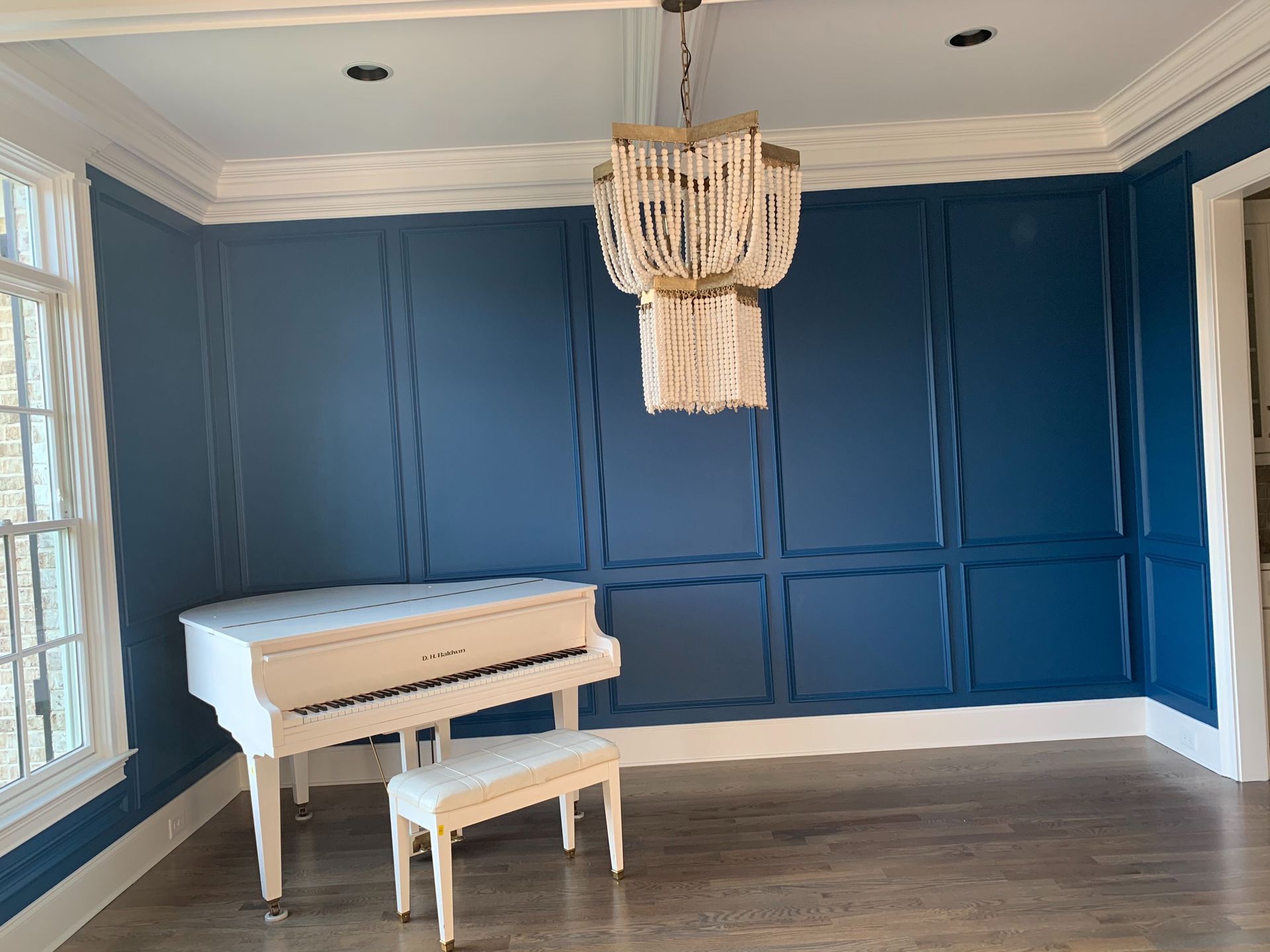
Conversely, deeper hues can add warmth and intimacy. Rich blues, greens, or earthy tones can make large rooms feel cozier and more inviting. Accent walls, in particular, offer an opportunity to introduce bold color without overwhelming a space.
Interior painting also provides an opportunity to unify disparate design elements. If your furniture, flooring, and décor feel disconnected, a cohesive color scheme can tie everything together. Coordinated walls create visual harmony and elevate the overall look of your home.
Additionally, updated paint can highlight architectural features. Crown molding, built-in shelving, and decorative trim stand out when contrasted with thoughtfully chosen wall colors. Strategic interior painting draws attention to these details and enhances your home’s character.
What Role Does Interior Painting Play in Home Value and Appeal?
Interior painting is not only a cosmetic upgrade; it is also a strategic investment. Well-maintained interiors signal to potential buyers that a home has been cared for over time.
When preparing to sell, fresh interior painting is one of the most cost-effective improvements you can make. Neutral, modern colors appeal to a broad range of buyers and allow them to envision their own furnishings in the space. Clean, freshly painted walls create a move-in-ready impression that can influence purchasing decisions.
Visible wear, chipped paint, or outdated colors can raise concerns about overall maintenance. Prospective buyers may assume that neglected walls indicate other hidden issues. By contrast, updated interior painting communicates attention to detail and ongoing upkeep.
Even if you are not planning to sell, maintaining your walls preserves long-term value. Paint acts as a protective barrier against moisture, dust, and everyday wear. Regularly scheduled interior painting helps prevent surface damage that could require more expensive repairs later.
As noted earlier, homeowners typically repaint every five to seven years. Adhering to this general timeline ensures that your home remains visually appealing and structurally protected. Proactive maintenance supports both immediate enjoyment and future resale potential.
Fresh interior painting is more than a visual update; it is an essential aspect of responsible home maintenance. From addressing peeling paint and outdated colors to improving indoor air quality and enhancing property value, repainting offers multiple benefits. By recognizing the signs that your walls need attention and planning accordingly, you can create a healthier, more beautiful, and more valuable living environment. If you want to refresh your home with expert
interior painting services, reach out to the professionals at Nashville Painting Company today!