By Mike Rawlings | October 14, 2026
October 14, 2026
Understanding Homeowners Association (HOA) guidelines is essential for homeowners looking to personalize their property's exterior. Living in an HOA-governed community requires balancing individual preferences with established neighborhood standards. Exterior paint colors influence curb appeal, architectural consistency, and the overall appearance of surrounding properties. By reviewing community regulations and working with experienced exterior painting companies, homeowners can achieve attractive results while avoiding unnecessary complications. Careful planning allows personal creativity to complement neighborhood expectations while maintaining positive relationships with nearby residents. Understanding the approval process also helps homeowners make informed decisions about paint selection, project scheduling, and long-term exterior maintenance.
Understanding HOA Regulations and Responsibilities
Homeowners Associations are organizations responsible for establishing and enforcing community rules. These associations commonly operate within planned neighborhoods, condominium developments, and residential communities. Their responsibilities may include maintaining shared spaces, overseeing architectural modifications, and preserving neighborhood aesthetics. Understanding these responsibilities helps homeowners recognize why exterior painting projects often require approval before work begins.
HOA painting regulations frequently specify acceptable colors, finishes, and exterior materials. Many communities favor neutral shades, earth tones, and complementary accent colors that maintain architectural consistency. Some associations restrict dramatic color combinations or require particular paint specifications. Homeowners should carefully examine these requirements before purchasing materials or scheduling contractors. Reviewing the guidelines early helps prevent unexpected expenses and project interruptions. Compliance also demonstrates consideration for shared community expectations while protecting the investment made in exterior improvements.
Locating HOA Documents and Painting Requirements
Most associations outline exterior modification requirements within their Covenants, Conditions, and Restrictions (CC&Rs) or architectural guidelines. These documents explain approved colors, application procedures, and potential restrictions. Homeowners who cannot locate their community documents should contact their property management company or HOA board. Reviewing the latest requirements is particularly important because associations may periodically revise their architectural standards.
Some communities also maintain separate architectural review documents addressing siding, shutters, doors, and decorative trim. Understanding these distinctions prevents homeowners from overlooking important details. Requesting clarification about unclear requirements before submitting an application can simplify the approval process. Keeping copies of relevant documents provides a useful reference throughout the painting project and during future exterior improvements.
Selecting Approved Exterior Paint Colors
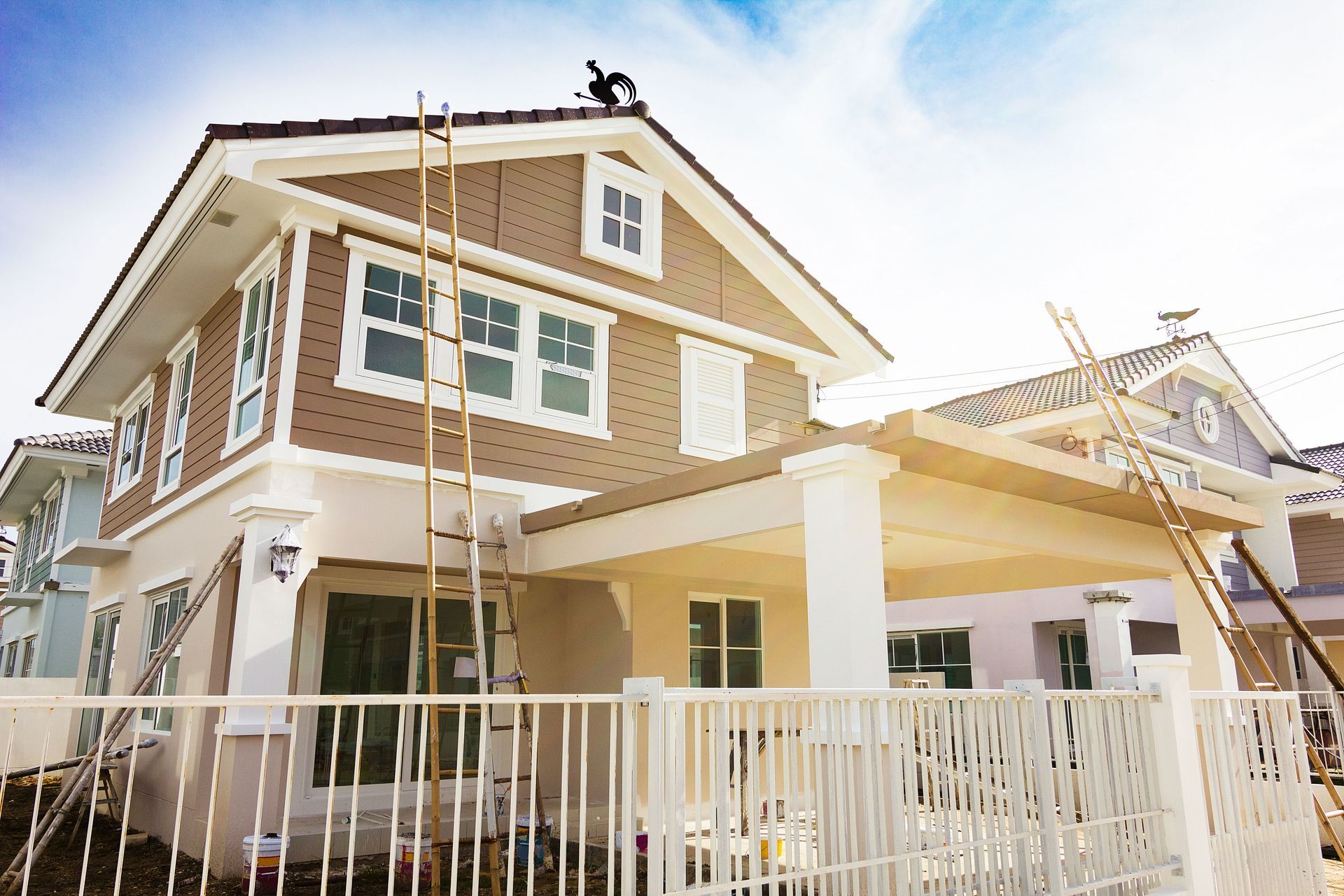
Choosing colors from an approved HOA palette is often the simplest approach to maintaining compliance. Common selections include beige, gray, cream, muted green, and other understated shades. However, homeowners can still create distinctive appearances through thoughtful combinations of siding, trim, and accent colors. Experienced exterior painting companies can help evaluate approved options against existing roofing materials, architectural features, and surrounding landscaping.
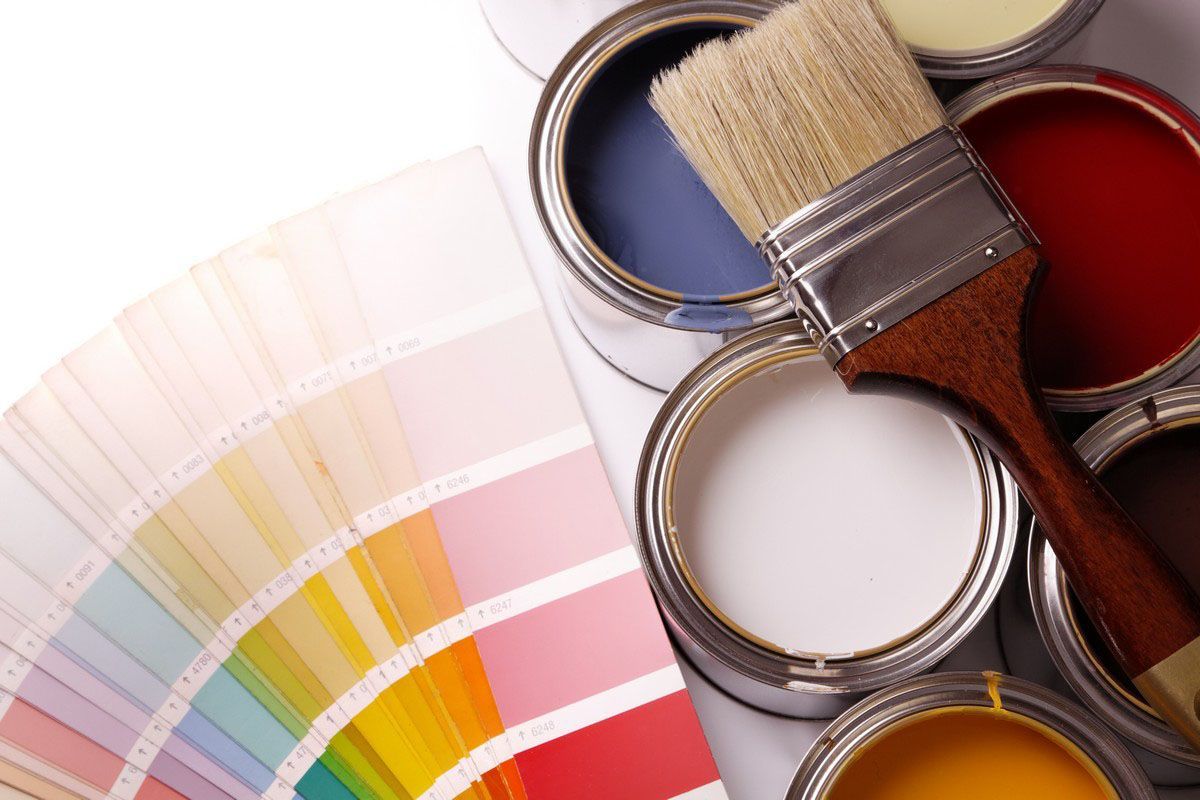
HOA restrictions do not necessarily eliminate opportunities for personal expression. Homeowners can explore subtle color variations, contrasting trim, and complementary architectural accents within approved guidelines. Decorative landscaping, exterior lighting, and coordinated entryway features can further personalize a property's appearance. Testing small paint samples under different lighting conditions helps homeowners understand how colors will appear throughout the day. The objective is to create a welcoming exterior that reflects individual preferences without disrupting the neighborhood's established character.
Submitting Exterior Paint Requests and Obtaining Approval
When homeowners prefer colors outside the approved palette, submitting a formal request may be necessary. Applications commonly require paint manufacturer information, color names, sample swatches, and photographs of the property. Some associations also request descriptions of proposed changes and estimated project dates. Providing complete information allows architectural review committees to evaluate proposals efficiently and reduces the likelihood of additional documentation requests.
Approval timelines vary depending on community procedures, application requirements, and meeting schedules. Some associations review requests within several weeks, while others require additional time for committee consideration. Homeowners should confirm anticipated review periods before scheduling exterior painting companies. Written authorization should identify accepted colors, finishes, and any conditions established by the association. Retaining copies of applications, correspondence, and official decisions helps prevent misunderstandings and demonstrates that the completed work follows the approved proposal.
Communicating Effectively With HOA Representatives
Respectful communication can significantly improve the exterior painting approval experience. Homeowners should explain their proposed changes clearly and remain receptive to questions or recommendations. Digital color renderings and physical samples can help board members visualize the finished appearance. Maintaining professional communication throughout the process encourages cooperation and makes resolving potential concerns easier for everyone involved.
If a request is rejected, homeowners should seek clarification rather than immediately abandoning their preferred design. The concern might involve color intensity, architectural compatibility, or incomplete documentation. Revising the proposal with alternative shades or adjusted accent combinations may create opportunities for compromise. Regular follow-ups can also help address administrative delays while maintaining constructive relationships with association representatives.
Choosing Experienced Exterior Painting Contractors
Selecting qualified contractors is essential for achieving attractive, durable, and compliant results. Homeowners should evaluate experience, insurance coverage, references, preparation methods, and project estimates before hiring. According to Gitnux, the average painting contractor firm size in the U.S. is 4.5 employees, highlighting the importance of evaluating each company's staffing and ability to manage project requirements. Reputable exterior painting companies can also help homeowners understand how approved colors will appear under different lighting conditions. Discussing HOA requirements during initial consultations ensures contractors understand the project's limitations before preparing their proposals.
Painting contracts should identify project scope, preparation procedures, paint products, approved colors, estimated timelines, and payment terms. Homeowners should also discuss responsibility for correcting work that differs from agreed specifications. Detailed agreements reduce misunderstandings and establish expectations for both parties. Confirming these details before work begins supports accountability, improves coordination, and creates a more organized painting experience.
Scheduling Projects and Maintaining Painting Quality
Weather conditions directly influence exterior paint application and curing. Excessive humidity, precipitation, and unsuitable temperatures can interfere with adhesion and finish quality. Homeowners should coordinate project dates with contractors while accounting for seasonal conditions and HOA restrictions. Flexible scheduling helps accommodate unexpected weather changes without compromising workmanship or violating community requirements.
Successful exterior painting requires more than choosing an acceptable color. Proper cleaning, surface repairs, scraping, priming, and paint application contribute to lasting results. Established exterior painting companies can provide guidance on surface preparation and coating systems suited to the property's materials and environmental exposure. Homeowners should also confirm that contractors follow manufacturer recommendations and use the exact products identified in approved project documents. Regular progress discussions help identify concerns before they affect the finished appearance.
Preventing and Resolving HOA Painting Disputes
Disagreements often develop when homeowners misunderstand architectural requirements or begin work without authorization. Differences between submitted color samples and finished appearances may also create concerns. Clear documentation, early communication, and regular project oversight help prevent these situations. Addressing questions before painting begins is generally easier and less expensive than resolving violations after completion.
When disputes arise, homeowners should review the applicable rules and request an explanation of the association's decision. Written communication helps establish a reliable record of discussions and proposed solutions. If informal negotiations prove unsuccessful, homeowners may explore internal appeals, mediation, or legal guidance when appropriate. Maintaining a respectful approach can preserve neighborhood relationships even when disagreements remain unresolved. Homeowners should retain photographs, correspondence, contractor agreements, and approval documents to support accurate discussions.
Successfully navigating HOA painting guidelines requires preparation, creativity, and consistent communication. Understanding community regulations, selecting appropriate colors, and obtaining written authorization help homeowners avoid unnecessary complications. Professional workmanship and dependable project coordination further support attractive, lasting results. With thoughtful planning, homeowners can create appealing exteriors that reflect their preferences while respecting neighborhood standards. Maintaining open communication with association representatives also encourages cooperation during future improvements, helping preserve community harmony and neighborhood appeal for years to come. Contact Nashville Painting Company today and learn more about our painting services.